

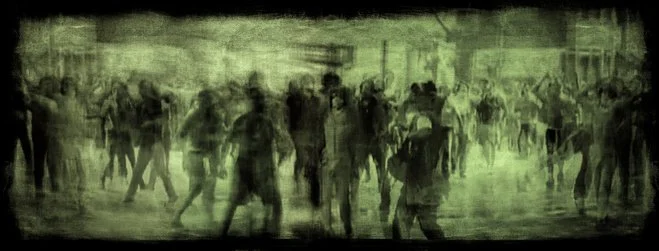
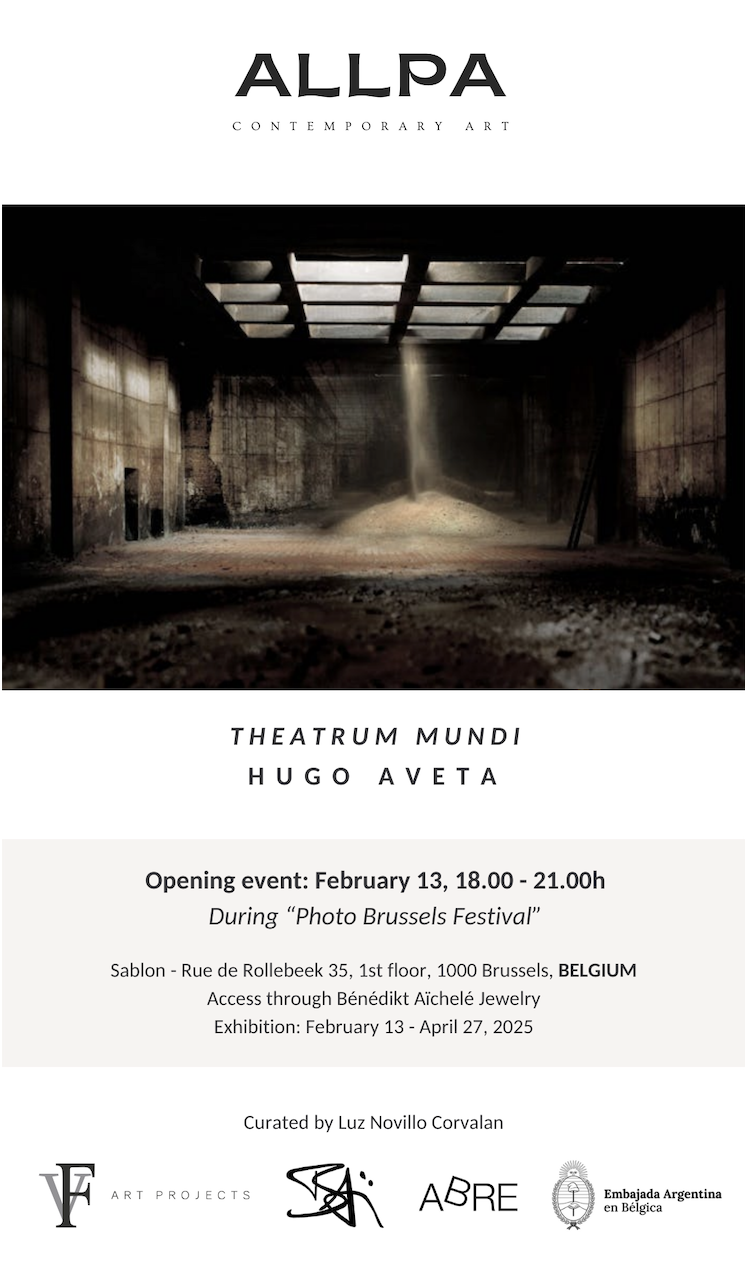
HUGO AVETA: Theatrum Mundi
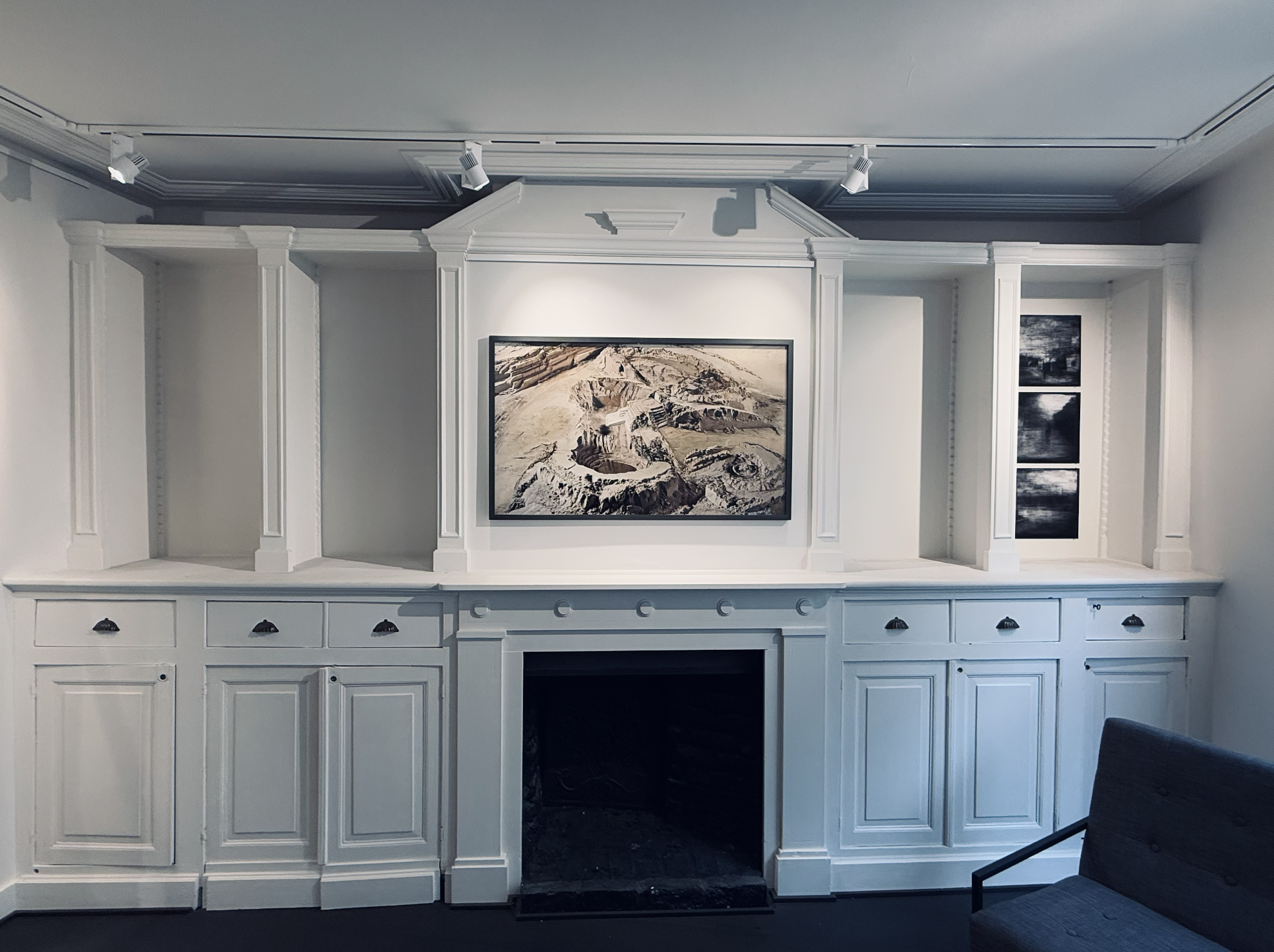
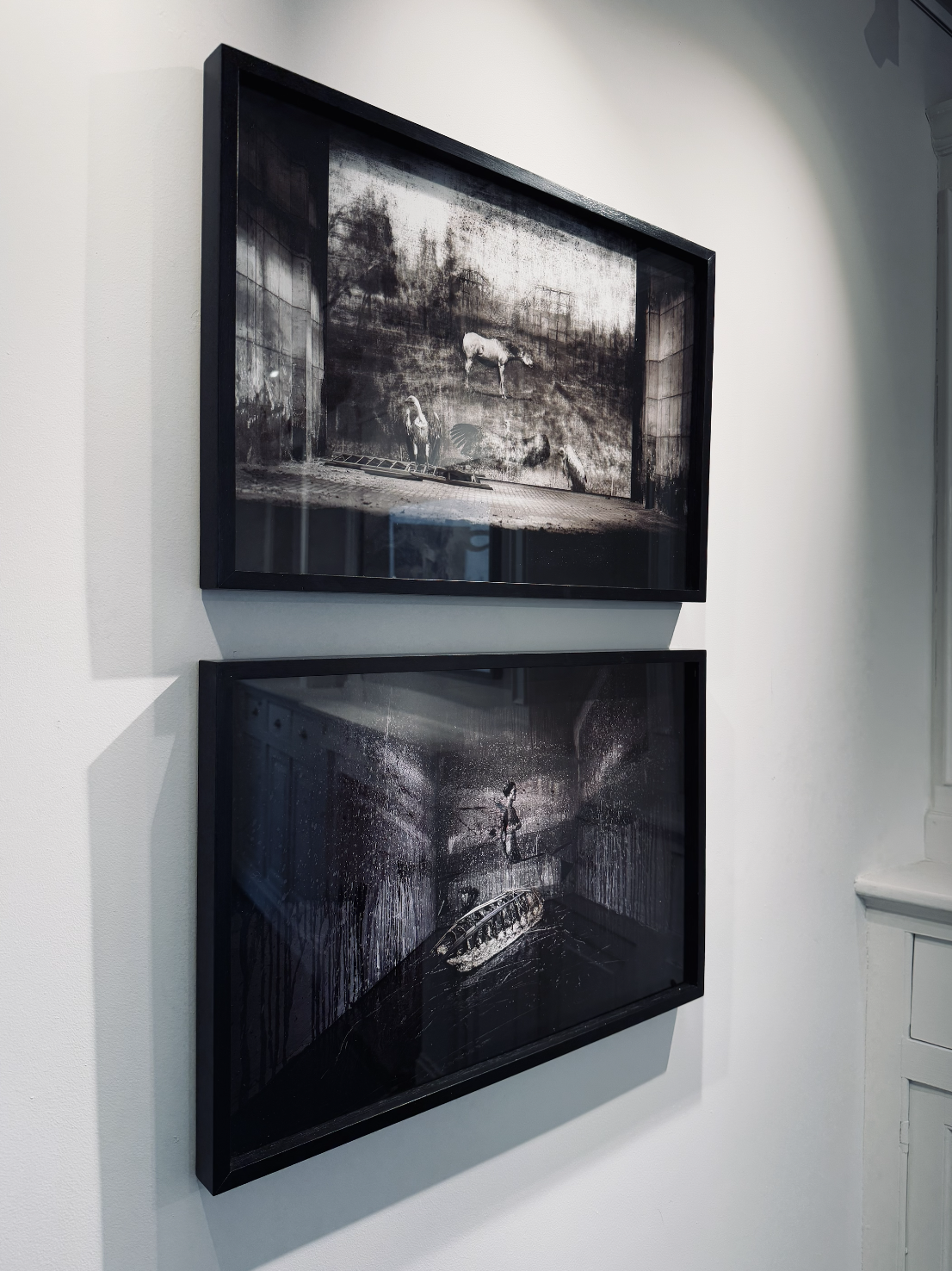
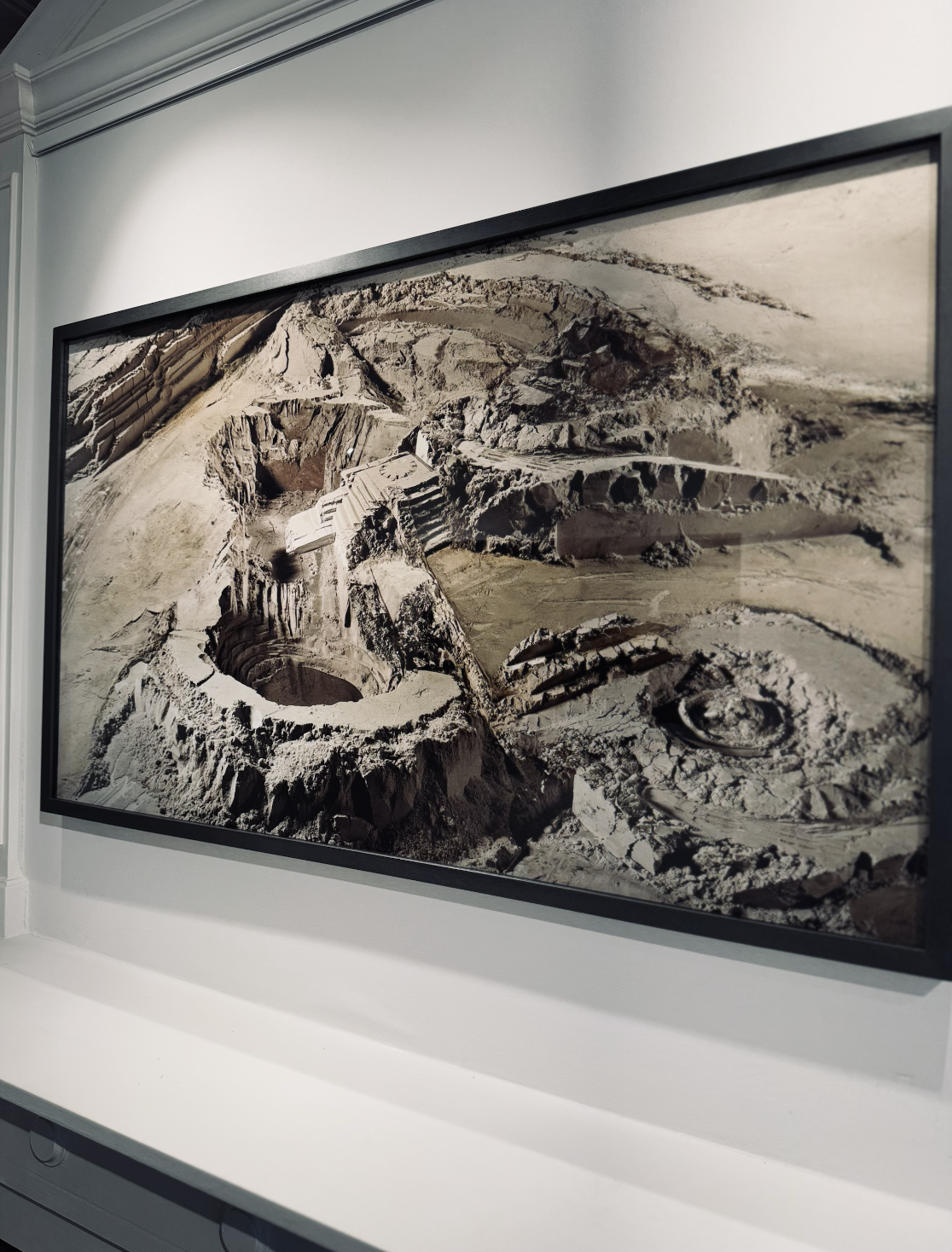
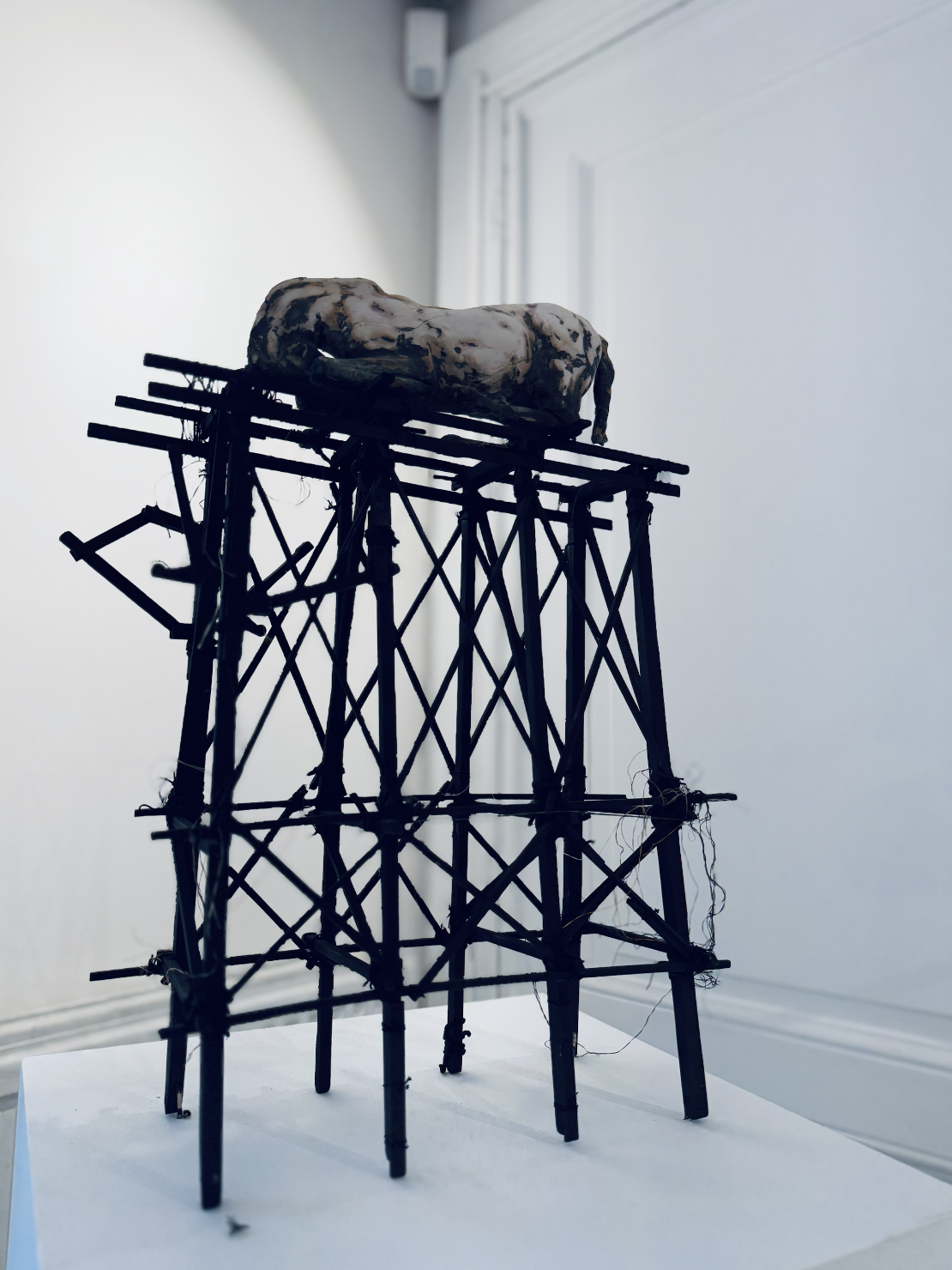
In Hugo Aveta’s work, photographic images are the result of processes that physically shape memories. These images are impediments to a story whose obstinate ghosts never leave altogether; they feed on time and give themselves over to it. It is from this position that these images exercise what Barthes called “the pressure of the unsayable that wants to be said”. By manipulating a memory (through physical manipulation), Aveta distances himself. He produces estrangement. He always leaves a clue (something akin to a flaw in the Matrix), that obliges us to think twice, that leads us to doubt the truth of the “document”: in the scale model’s perfection, there is always some trace that is not quite realistic, one that reveals the gesture, the shaky hand, and evidences the difficulty of proceeding within a tiny, enclosed space with precision. This is the estrangement that we feel while meandering through his spaces, whether they are submerged in darkness or bathed in violent light.
Hugo Aveta’s works are pieces conceived of and recreated on the basis of precise information—in some cases relying on accounts or evidence—that wind up accentuating the true notes. Slightly adulterated, the works assume, condense and manifest more truthfulness than the documentary images themselves. This is a consequence of the operation that Aveta carries out. He localizes the moment and the scenario of the event. He knows what happened there, but does not tell. He remains silent. He reconstructs it, emphasizing light, shadow and texture. He may add a studied dose of perturbation. This way, he embodies the memory. This way, he gives the ghost a body.
Time is the raw material that Hugo Aveta works with. Time that is condensed, encrypted and shared. It is time that is articulated in montages based on historical documents, scraps of reality that he hands back again, organized according to art’s logic. The images that give physical form to his work come from diverse archives, and they give away the artist’s fascination with certain manners of registering and cataloguing experience. As Derrida would say, it is a fascination that responds to “the absolute impatience of a desire for memory”. This is a corporeal memory, in whose social fabric we just may be able to read time.
Adriana Almada
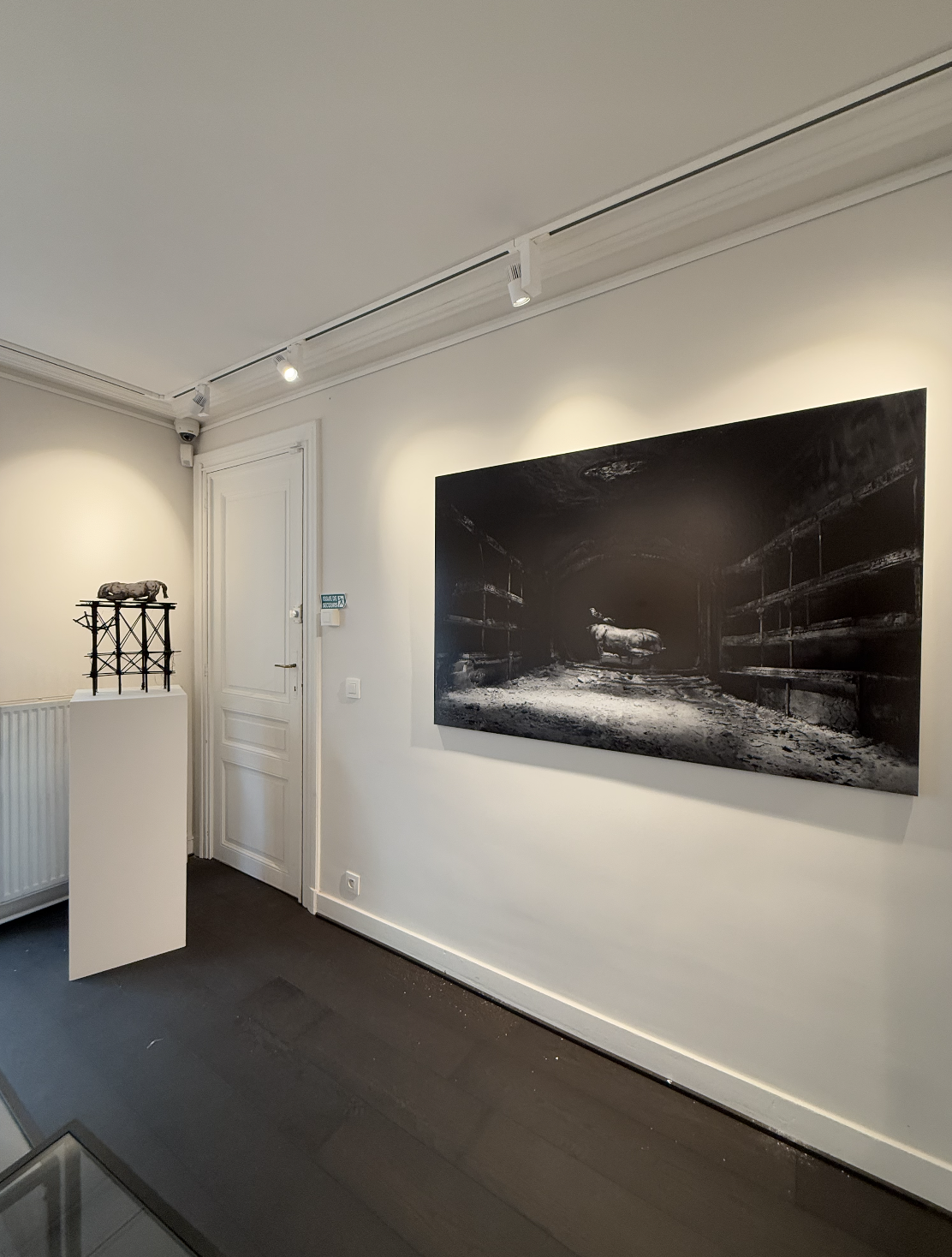
PIECES IN GALLERY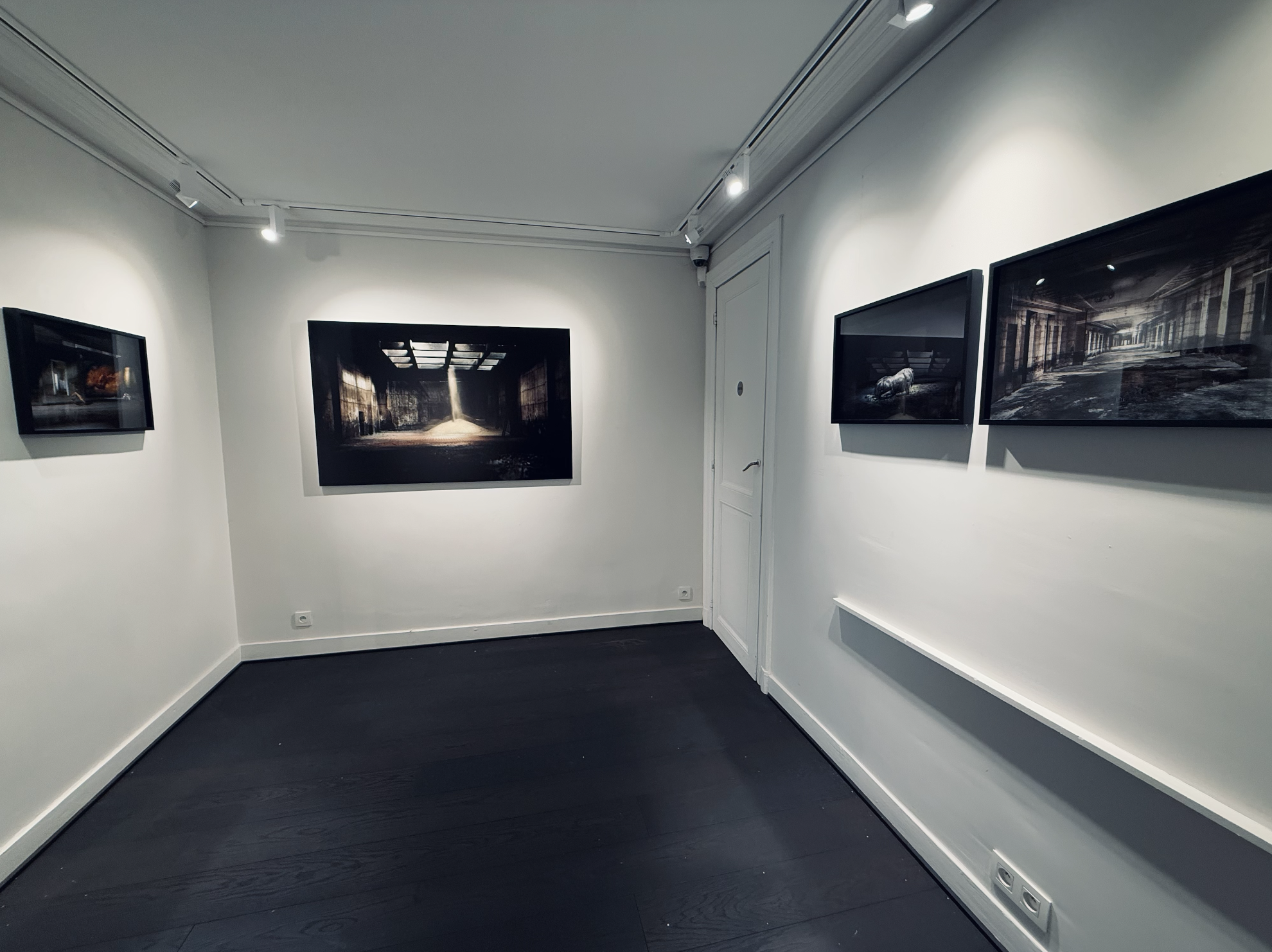
RELATED ARTIST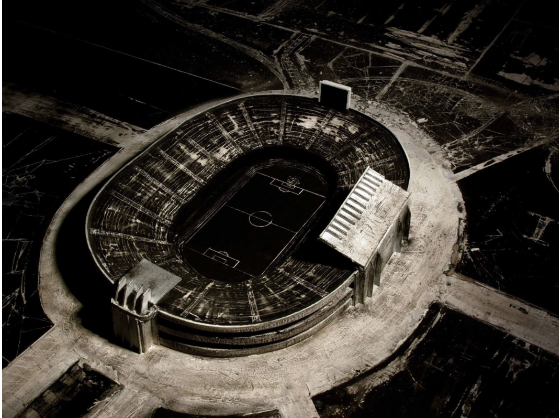
Hugo Aveta
View artist biography